Whoa! I clicked into a Solana NFT drop last month and my heartbeat spiked. Really? The gas fees were nearly nothing. My first impression was optimism, mixed with a weird unease. Something felt off about the onboarding flow though—too many pop-ups, too much jargon. Initially I thought the issue was just me being picky, but then realized a pattern: wallets make or break the whole experience for everyday users.
Here’s what bugs me about crypto UX: tiny frictions compound into abandonment. My instinct said build trust, not friction. On one hand you want tight security. On the other hand you want convenience for people who just want to buy a single NFT or try a DeFi farm without feeling like they’re doing surgery. Seriously? Yes. Wallets are the middle layer between users and the entire Solana ecosystem, and they need to be both friendly and formidable.
Okay, so check this out—wallets for Solana have evolved fast. Short transactions. Fast block confirmations. UI that’s finally getting less cryptic. But wallets still carry legacies of complexity, and that matters when you’re teaching someone new or onboarding 1000 people to a mint. The wallet is often your first social touchpoint with a protocol. If that part stumbles, the protocol loses users, trust, and momentum.
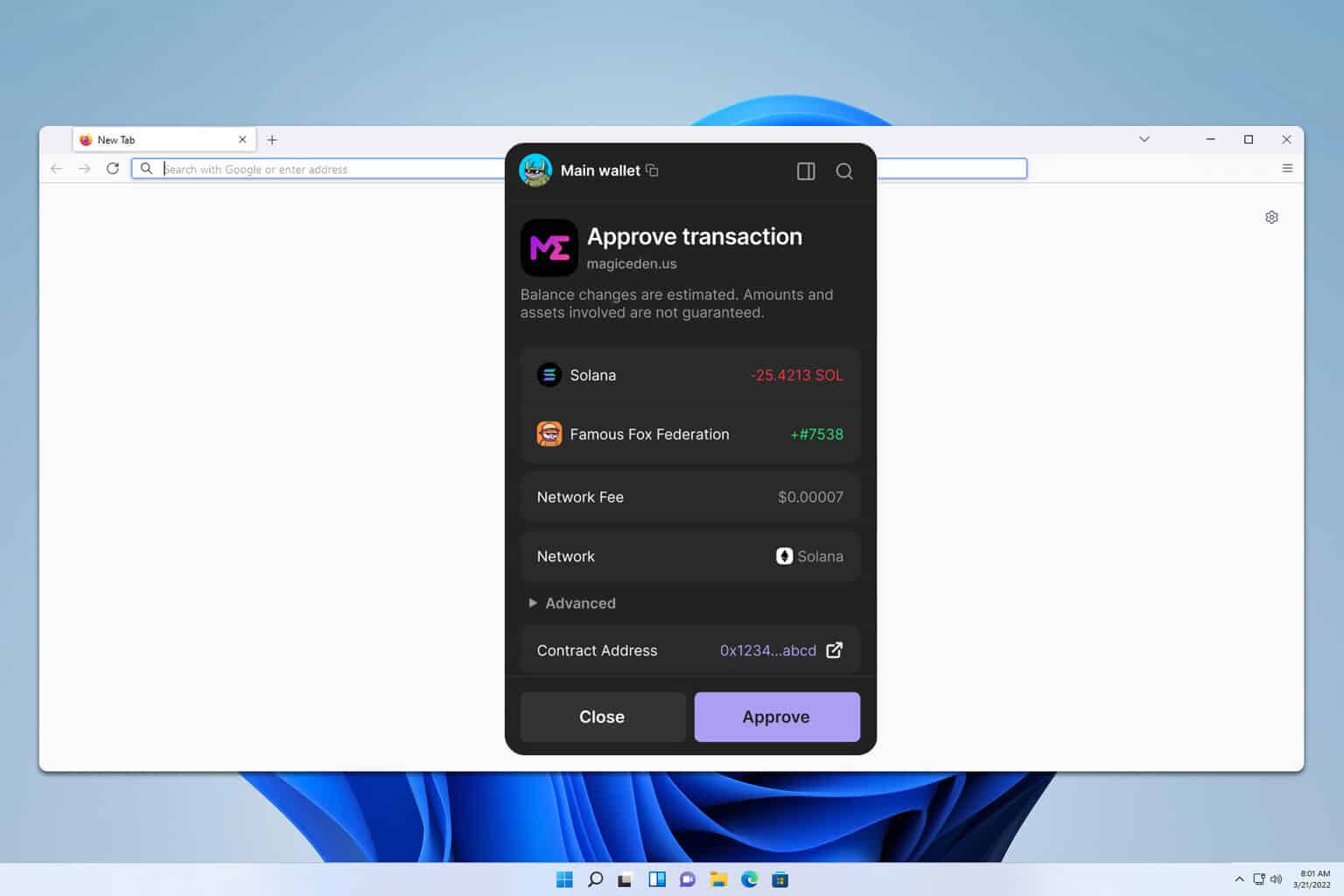
How NFT collectors and DeFi users differ (and why one wallet won’t always fit both)
NFT people want fast image previews and clear approvals. DeFi users want ledger-level security and detailed transaction metadata. These are overlapping but not identical needs. I remember recommending a wallet to a creator friend who wanted to list an art drop and they got stuck at signature permissions—ugh. That was frustrating. My advice now is more nuanced: match the wallet to the task.
For collectors: look for minimal permission prompts, native media previews, and support for SPL tokens. For DeFi traders: prioritize robust spend limits, hardware wallet support, and detailed gas fee estimation. But there’s an important caveat. Some wallets try to be everything for everyone and end up being very very confusing. That „jack of all trades“ approach rarely helps a newcomer.
Here’s the thing. I use a browser extension for everyday browsing and a hardware signer for big moves. Somethin‘ as simple as an extension popup can make minting seamless. Other times, when the stakes are higher, you pull out the cold storage and breathe easier. This mix-and-match approach is practical. It also reduces blast radius if something goes sideways.
Why browser extensions still win for everyday Solana interactions
Browser extensions are immediate. You open a dApp, click connect, and you’re mostly done. No mobile app juggling, no QR scans, no app switching. That convenience translates into more tries and more engagement. On the flip side, browser extensions can be targets if your machine is compromised. So security hygiene matters—updates, malware checks, and using reputable extensions.
Pro tip: use a dedicated browser profile for crypto activity. Seriously, it helps. Also, consider extensions that let you set per-site approval rules rather than blanket approvals. That small control reduces accidental permission grants.
One practical route I’ve used: install a well-regarded extension for daily flow and pair it with a hardware device for large transfers. Initially I thought that was overkill. Actually, wait—let me rephrase that: it felt like extra friction, but it saved me one painful day when a marketplace bug tried to re-sign things incorrectly. Trust me, those mornings are longer than you expect…
How I vet a Solana wallet extension (the quick checklist)
Security pedigree. Who’s behind it? Are they open source? Do they publish audits? No audits? Then proceed cautiously. Medium length explanation: transparency matters more than slick UI.
Permission model. Does the extension request broad „all accounts“ access or can it ask per-site, per-action? Fewer blanket permissions is better. Short sentence. Safer defaults beat convenience by a long mile.
Recovery and key management. Is there a seed phrase backup? Is there support for hardware wallets? How does the wallet handle stolen-device recovery? These details will save headaches.
UX for NFTs. Does the wallet show previews for tokens and metadata? Can you view and approve individual token actions? These are small conveniences that prevent accidental transfers.
Performance and cost. Solana is fast, but the wallet still needs to be responsive. Laggy UX undermines trust. Hmm… small fries, but they matter in a drop countdown.
Installation and a casual recommendation
If you’re trying to get started and want a friction-light experience, a reputable browser extension is a sane first step. I installed one for a friend last week and they minted without a sweat. They were delighted. Want the link? You can find a straightforward option here: phantom wallet download extension. That anchor is the one I trust to recommend for people who want a quick, browser-based Solana wallet install.
I’ll be honest: I’m biased toward extensions that have active developer communities and visible audit histories. That said, you gotta do your own checks. I can’t guarantee everything. I’m not 100% sure about long-term roadmaps for every provider, but community activity is a strong heuristic.
Some folks hate extensions for security reasons. They prefer mobile wallets. That’s valid. On the other hand, many dApp flows remain easiest with an extension. So your choice should reflect the experiences you want to prioritize.
Real-world gotchas (learned the hard way)
Approving the wrong transaction can be subtle. A dApp might batch multiple actions into one approval prompt, and if you skim it, you give away permissions you didn’t intend. Short. Read every line. Please.
Also, scams often masquerade as „claim token“ buttons during a mint. They can request approvals that let attackers drain wallets later. My instinct said something looked off during one mint. I paused and checked the tx details. Saved me from a bad morning. On one hand, vigilance is annoying; on the other, it prevents loss. This tradeoff is real.
And last—seed phrase storage. Don’t screenshot it. Don’t email it. Paper backups in a safe? Old school, but effective. I admit I’m a bit paranoid here. Sorry… not sorry.
FAQ
Which wallet is best for NFTs on Solana?
There isn’t a single „best“ wallet. For ease of use and browser integration, a well-known extension works great for collectors. For high-value trades or long-term storage, pair that with a hardware wallet. Initially I thought convenience would trump security, but experience pushed me the other direction.
Can I use the same wallet for DeFi and NFTs?
Yes, but consider creating separate accounts or profiles for different activities to limit risk. On some extensions you can create multiple accounts and switch easily. That separation reduces blast radius if something goes wrong.
Look—wallet choice is a mix of psychology and tech. People want speed and clarity, but also certainty that their assets are safe. My advice is pragmatic: start with a reputable browser extension for everyday stuff, add hardware for big moves, and teach your friends the basics so they don’t click the first shiny button they see. It’s that simple and that messy. Somethin‘ like that.
I’m biased toward wallets that grow with the ecosystem. They should earn trust through transparency, not marketing. And yes, you’ll still have to click some prompts. But with a little care you can make Solana’s speed and low fees feel like magic instead of a gamble. Wow!